
THE PRESENT EXISTS
A Living Archive of Timeless Unity.
Exploring the echoes of immigration and the love that binds generations—a visual study of timelessness across borders and time.
In this project, I look for Timeless Unity: the invisible thread that connects who we were with who we are becoming.
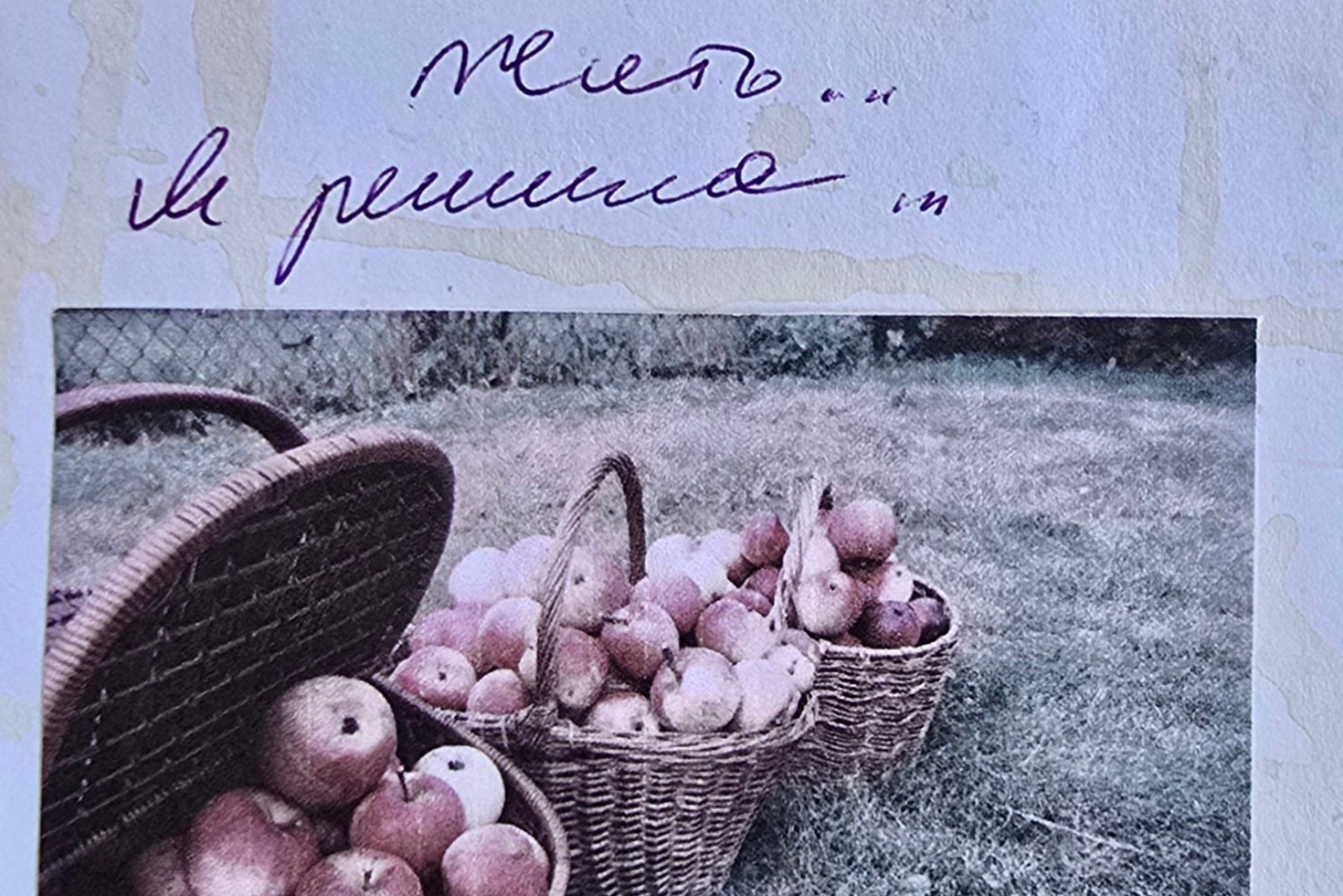
My life was fractured by loss and migration, but through this work, I find a sense of timelessness—where the path to the cemetery in Kazakhstan and my life today in the UK exist in the same moment. By documenting the 30 apple trees planted by my father and the bridge he built, I am not just looking at the past; I am capturing a unity that survives distance, death, and change.
This is my evidence that despite everything we lose, we remain whole.
THE WORLD DIVIDED
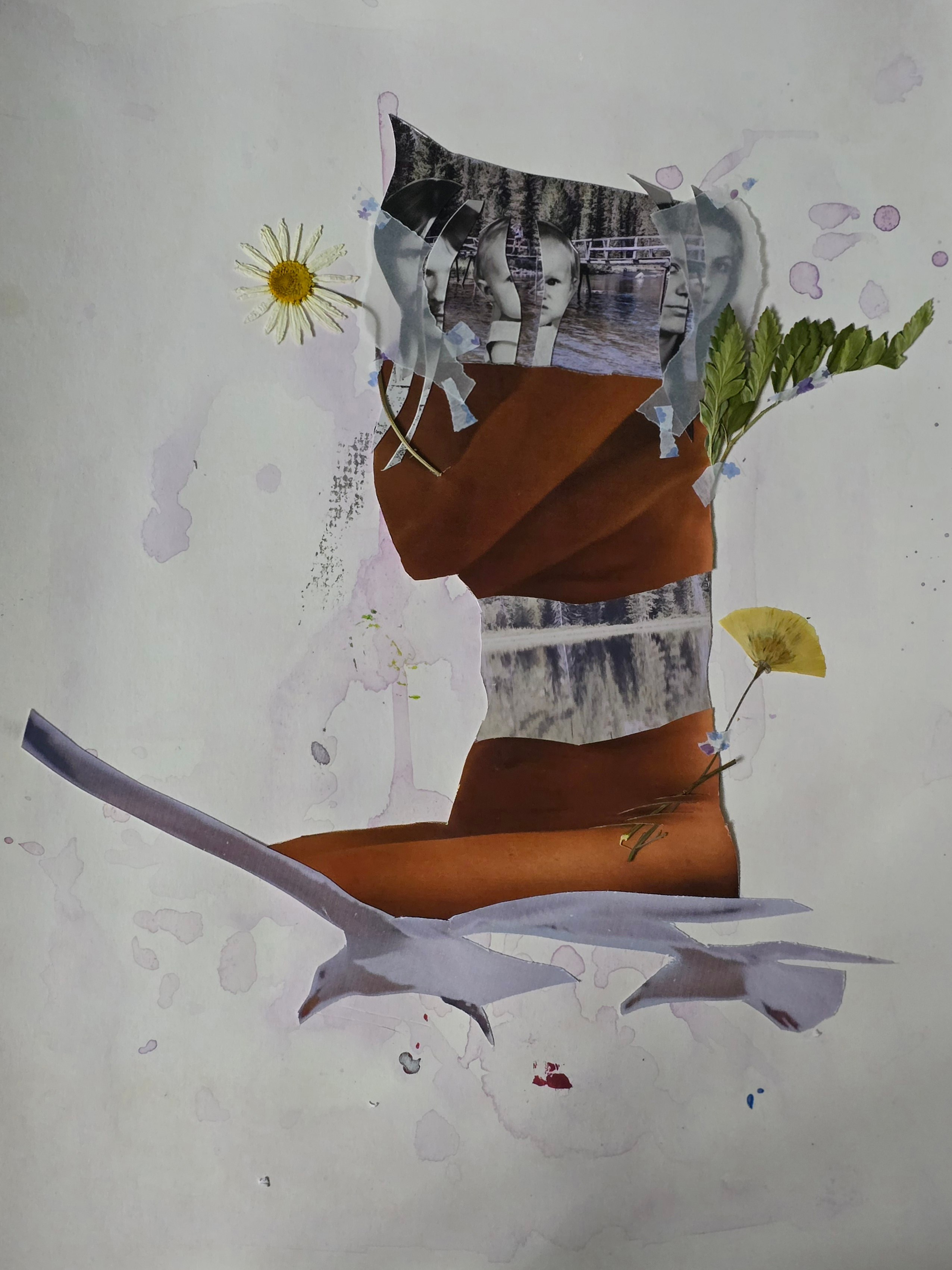
In 1998, my world fractured into 'before' and 'after'. This collage is a map of my identity—a bridge between Kazakhstan, Latvia, and the UK. It represents the moment I realised that while physical homes change, the body carries the history of everyone we have lost. It is the first record of my survival.
TACTILE MEMORY
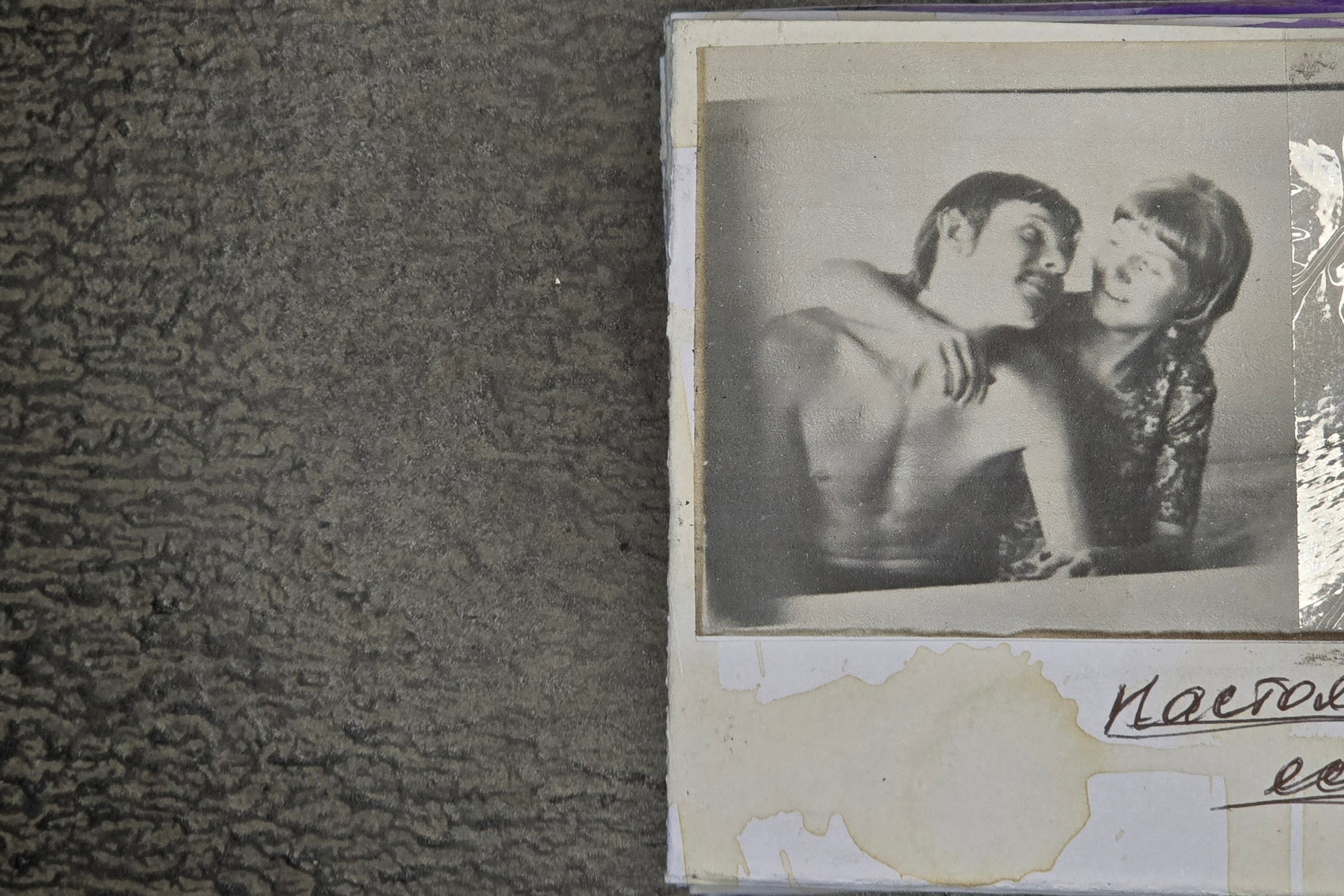
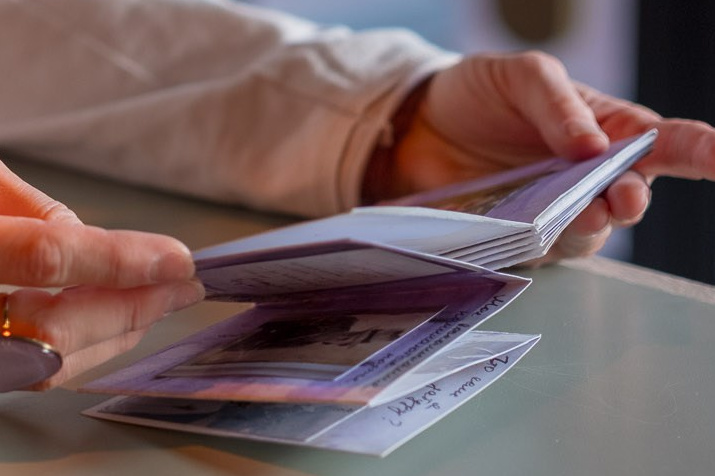
Because my story is unique, I create one-of-a-kind, handmade Zines. These are not just books; they are physical vessels for fragments that cannot be replaced. By stitching together archival photos and raw thoughts, I ensure that the 'Present' is caught on paper before it can slip away. Memory is not a digital file; it is something you must hold in your hands.
MAPPING THE JOURNEY
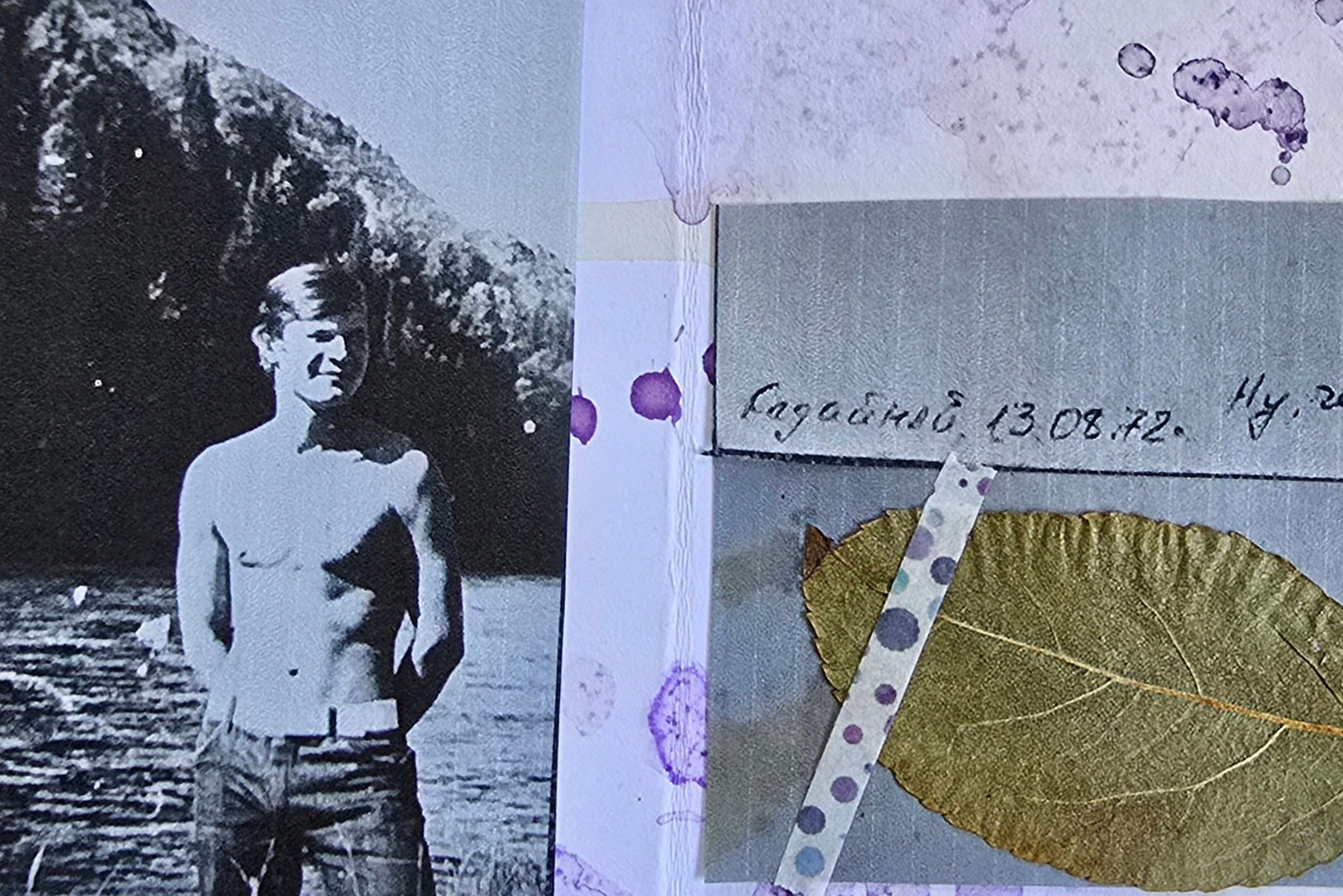
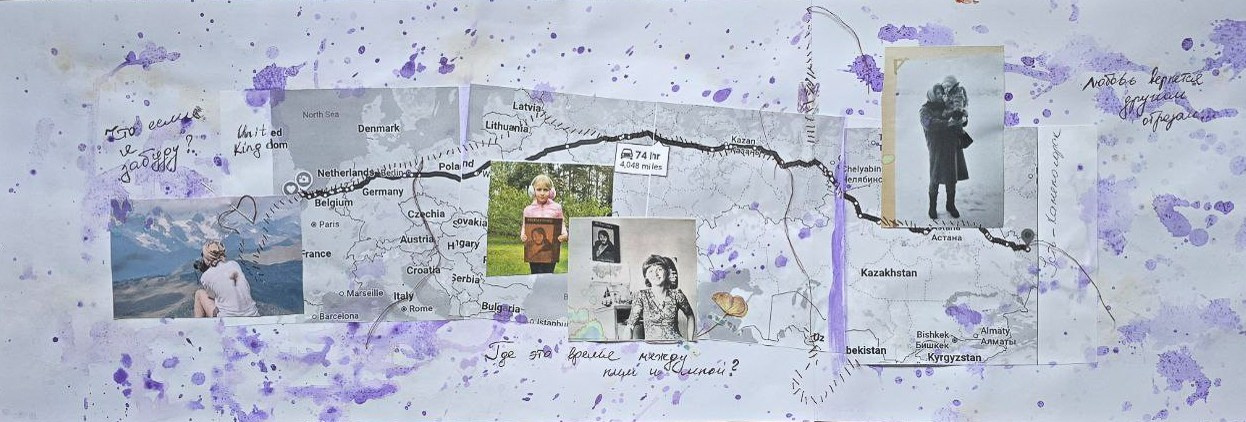
Across borders and through decades. This collage maps a 49-year journey of migration. From the landscapes of my birth in Kazakhstan to my life today in England, it visualises the threads that connect different lands into one Timeless Unity. It is evidence that our roots move with us.
THE WORDS WITHIN THE JOURNEY
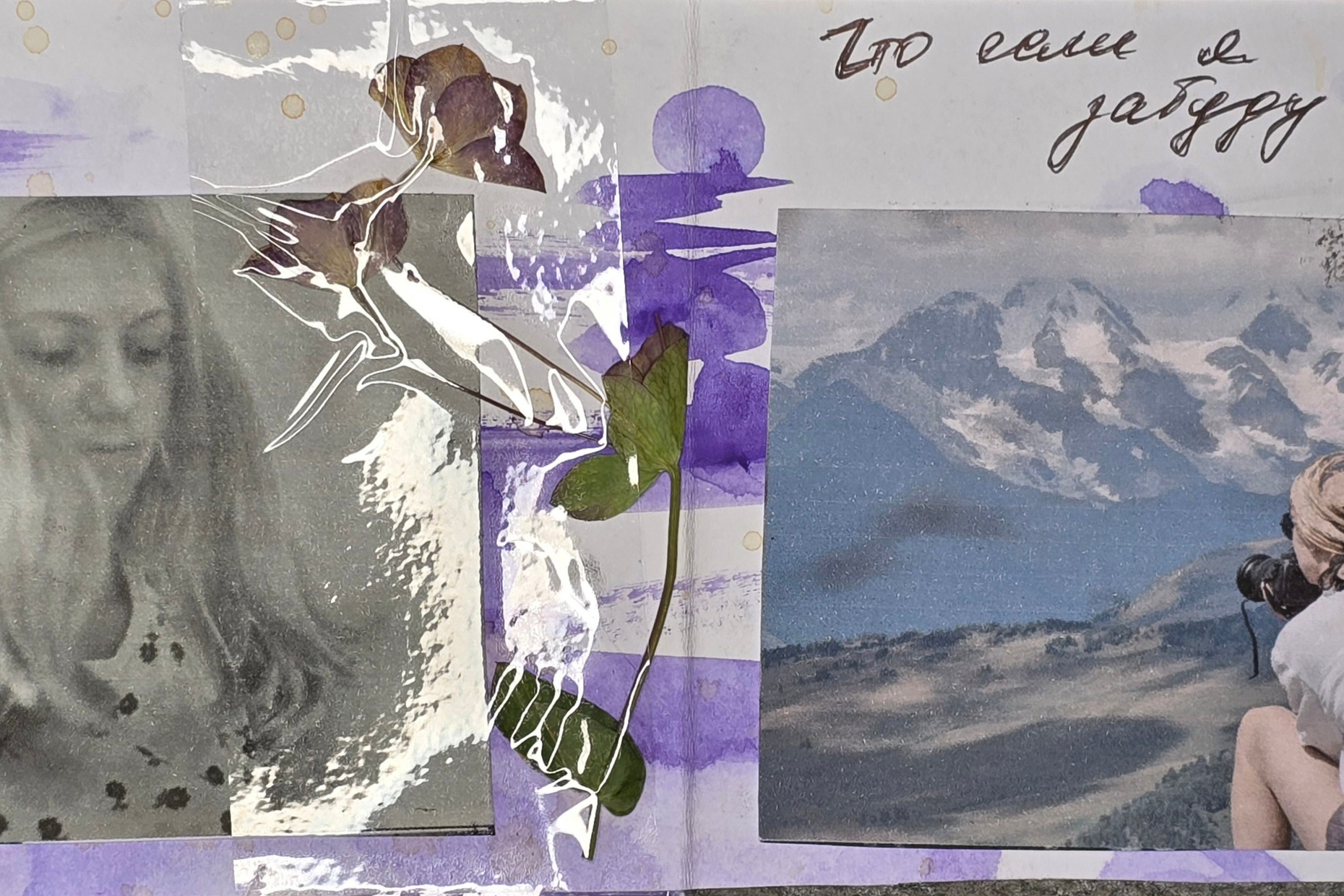
The Russian phrases within Mapping the Journey are intended to be read from right to left, following the direction of the work. Each phrase is connected to a photograph and to a personal memory, tracing a journey through family, place, time and identity.
“Love will return in another form”
I was born in Kazakhstan and moved to Latvia with my parents when I was one and a half years old. In the photograph, I am a small child held in my grandmother’s arms. Her name was Lyubov — the Russian word for “love”.
Although I returned to Kazakhstan a few times as a child, my last visit was when I was ten years old. Thirty-eight years later, I returned as an adult. While travelling into the mountains, I was guided by a woman whose name was also Lyubov.
For me, this coincidence became something more than coincidence. The name of my grandmother, carried through memory, seemed to return to me in the landscape where my own journey had begun.
The phrase “Love will return in another form” speaks about this invisible continuity — how people, memories and feelings can leave us physically, yet somehow find their way back into our lives. Love does not disappear; it changes form, crosses borders and travels through time.
“Where is the time between him and me?”
Two photographs are connected by the same object: a wooden board with a wood-burned image of Paul McCartney, created by my father. It was made when my mother was around twenty, and the board is still in our family home in Latvia.
In the first photograph, my mother is pictured with the board in the background. In the second, many years later, my eight-year-old niece holds the same board.
The phrase “Where is the time between him and me?” reflects the way memory exists in objects. Decades can pass and generations can follow one another, yet an object can remain, quietly carrying traces of those who came before us.
“What if I forget?”
In this photograph, I am sitting in the mountains with my camera, looking out at the landscape. I am photographed from behind — a small figure facing the place where my journey began.
I had last been in Kazakhstan as a child, when I was ten years old. Thirty-eight years later, I returned as an adult. Standing in those mountains, I became aware of how fragile memory can be — and of my fear of forgetting.
The question “What if I forget?” is simple, but deeply personal. It reflects my fear of losing the landscapes, people, stories and feelings connected to where I came from.
Perhaps photography became my way of holding on — of making memories visible and carrying them with me across borders and through time.
A LIFETIME IN TEN MINUTES
A simple walk from my childhood home to the cemetery. An ordinary road that stretches into an entire lifetime. I walk over the bridge my father built, through the forest where we picked flowers, and past the apple trees that still bloom. This path is a timeless bridge—connecting what was, what is, and those who still live within me.
TWO OF US
In loving memory of my father
Four years after his passing, the dialogue hasn’t stopped. It has simply changed its form.
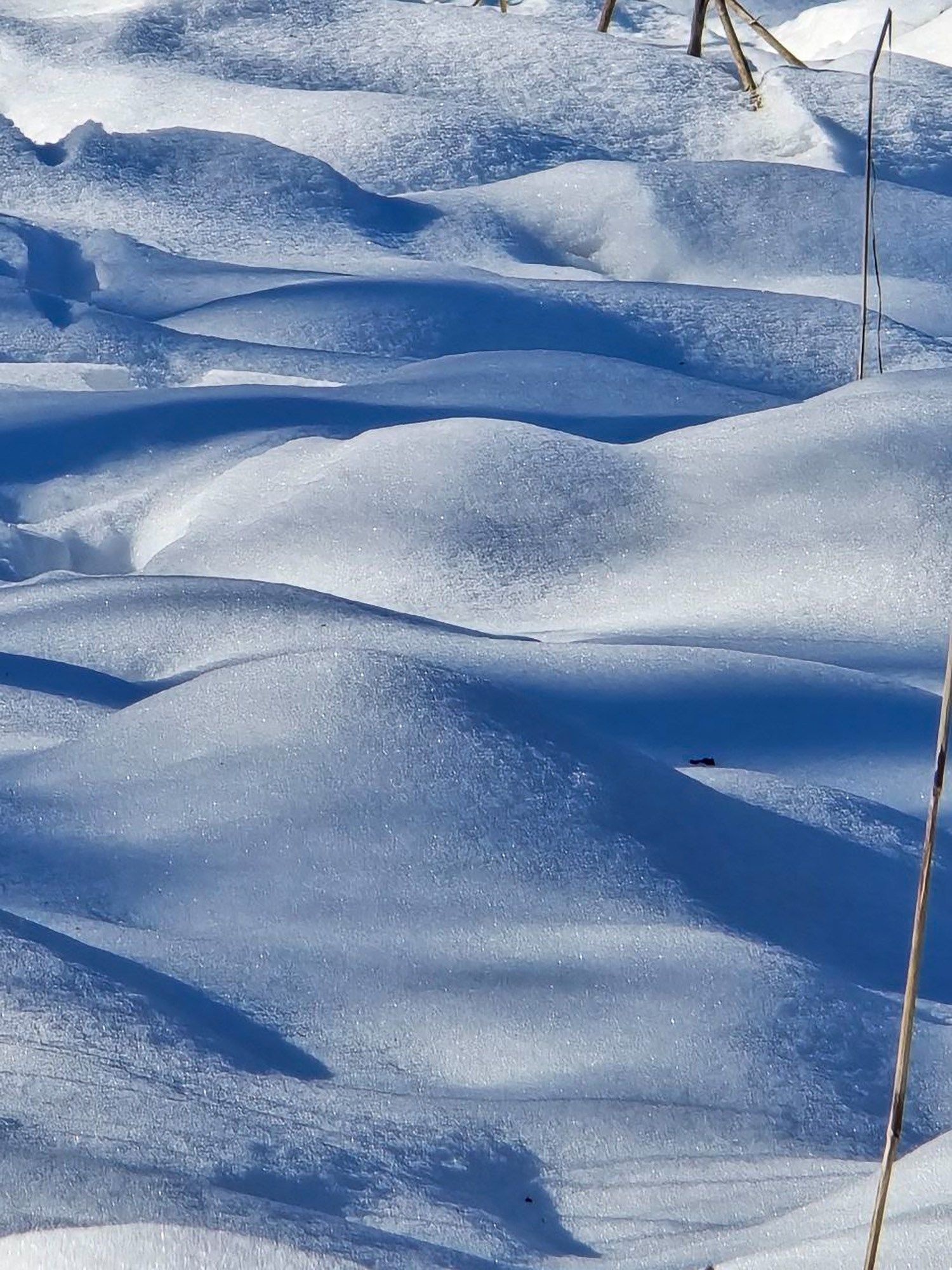
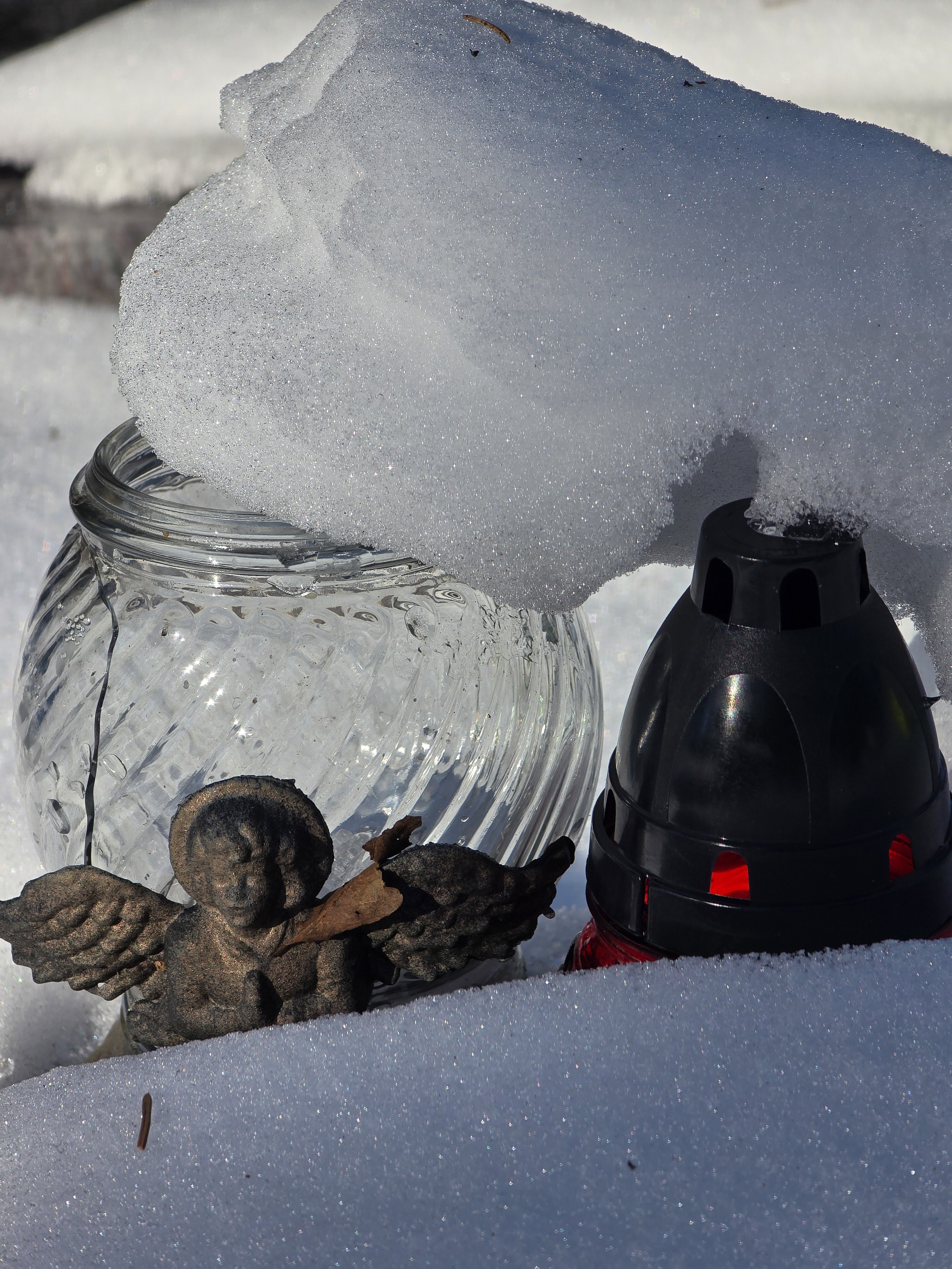
TWO OF US is a cinematic meditation on the invisible architecture of a father-daughter bond. Moving between the everyday and the infinite, the film traces the fragments of a relationship—the ritual of a daily phone call, the quiet weight of an apple, and the bridge that remains long after the architect has gone.
Using mixed-media techniques and a blend of archival emotion, I explore how grief transforms into a creative force. This is not just a film about loss; it is a visual record of how we carry those who shaped us, finding their presence in the rhythm of the sea and the silence of the trees.

MEMORY UNFINISHED
Where the past and present exist in the same moment.
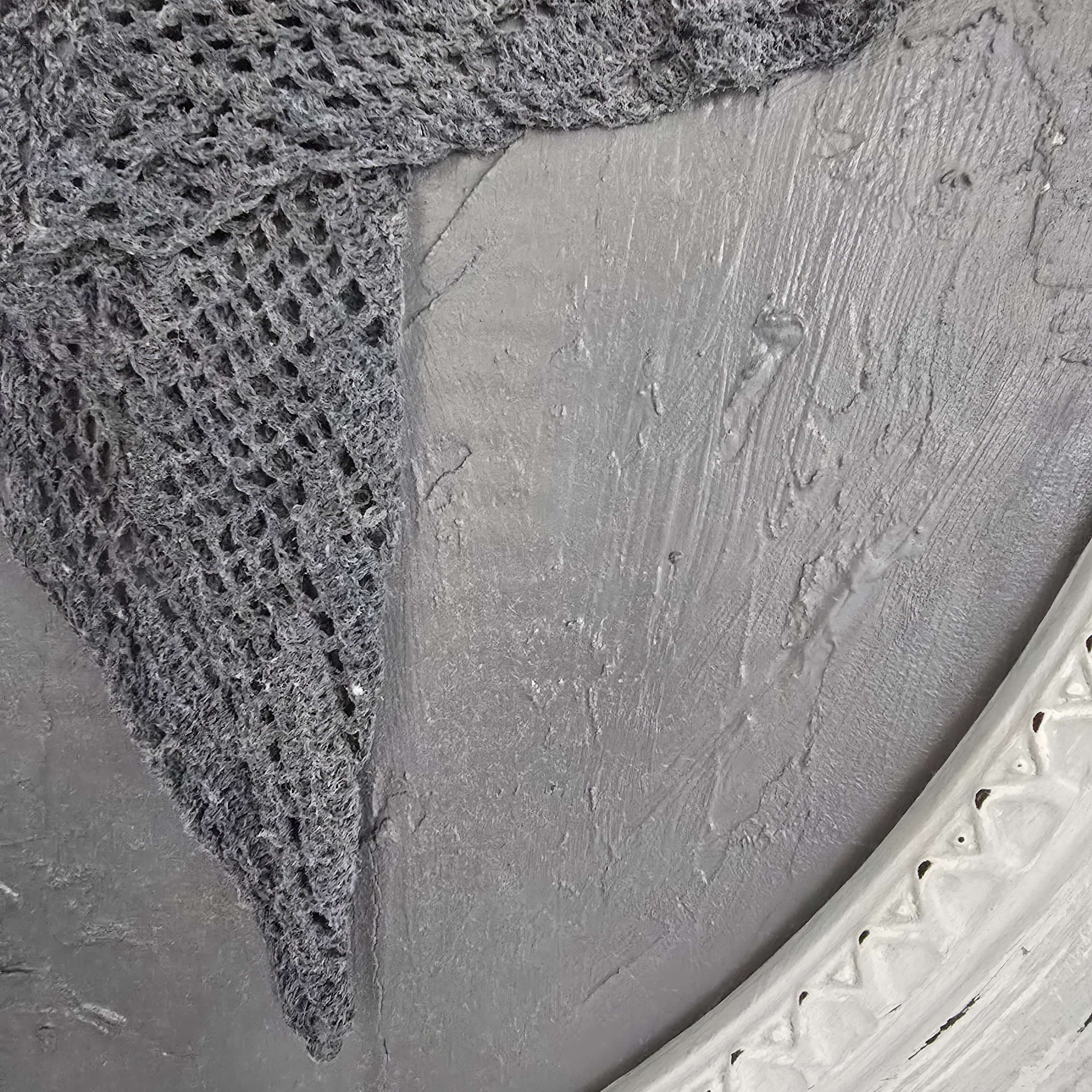
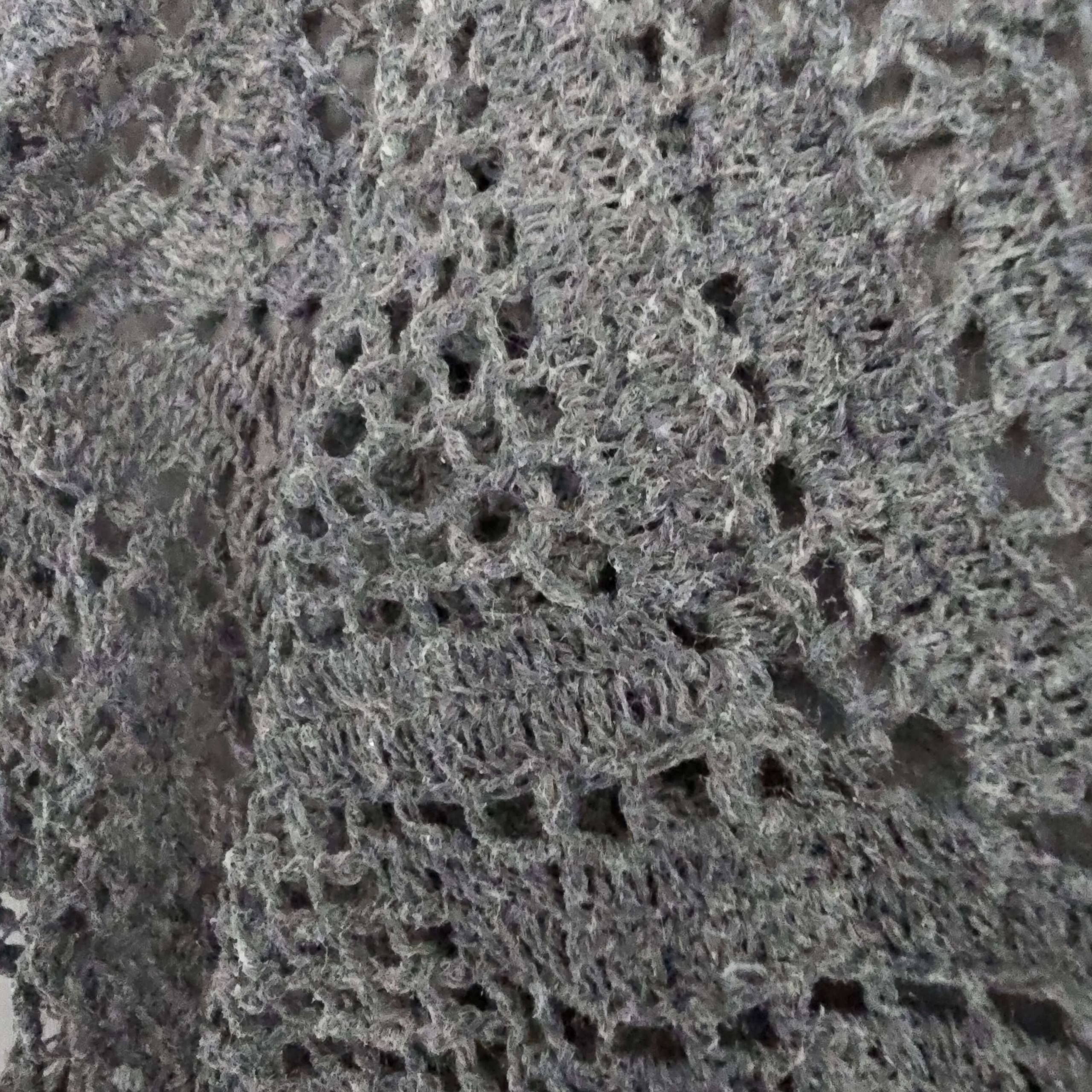
My grandmother had golden hands. She knitted for the whole family, for the neighbours, for anyone who needed warmth. As a child I wore a sweater she made me — I was the most beautifully dressed child I knew. She taught me everything I know about working with my hands.
She died in 1993. And she left behind this small piece of unfinished crochet.
For over thirty years I kept it. I never knew what it was meant to become — a shawl, a tablecloth, something else entirely. I just kept it. Waiting, without knowing what I was waiting for.
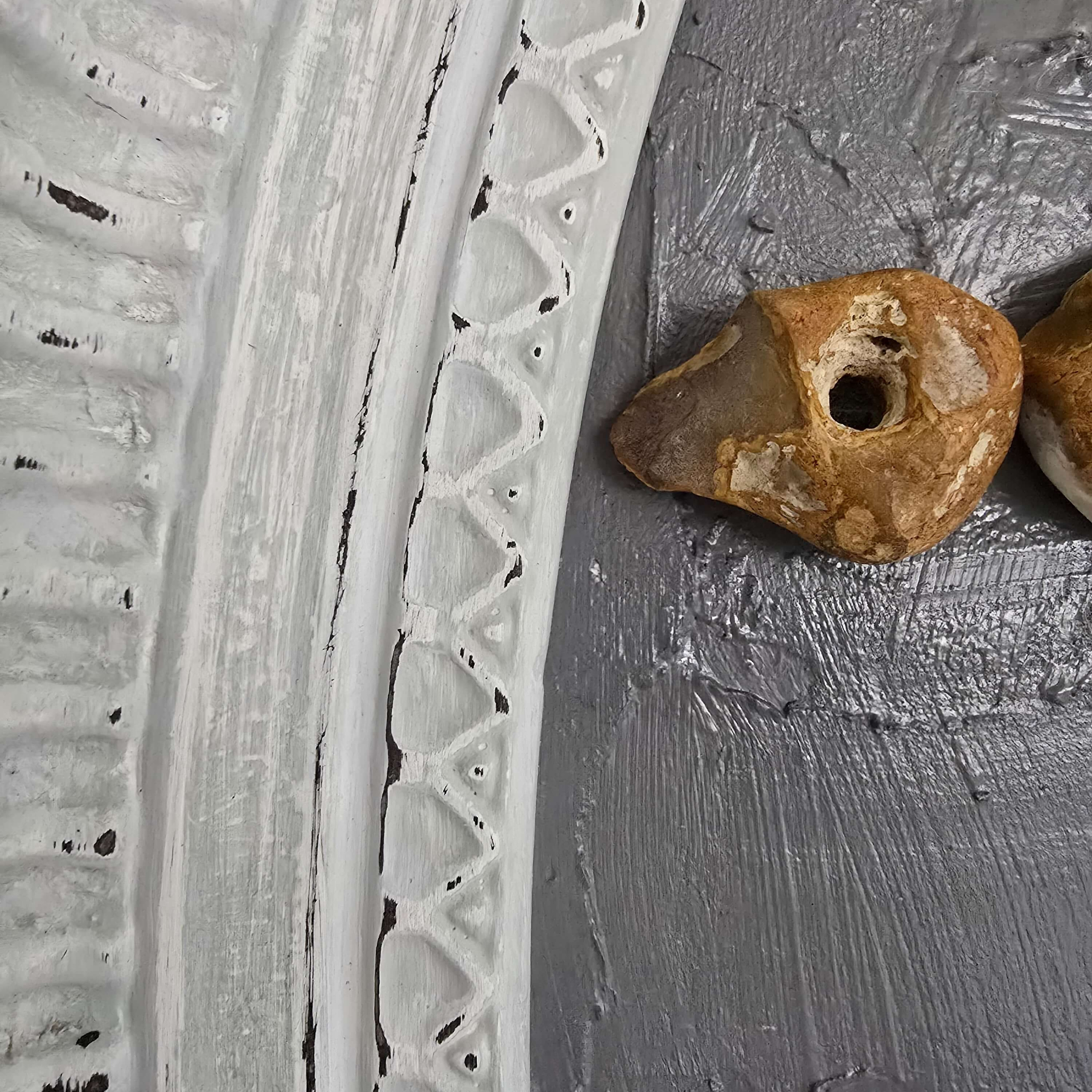
Then one day an old oval frame came into my hands. And suddenly I knew.
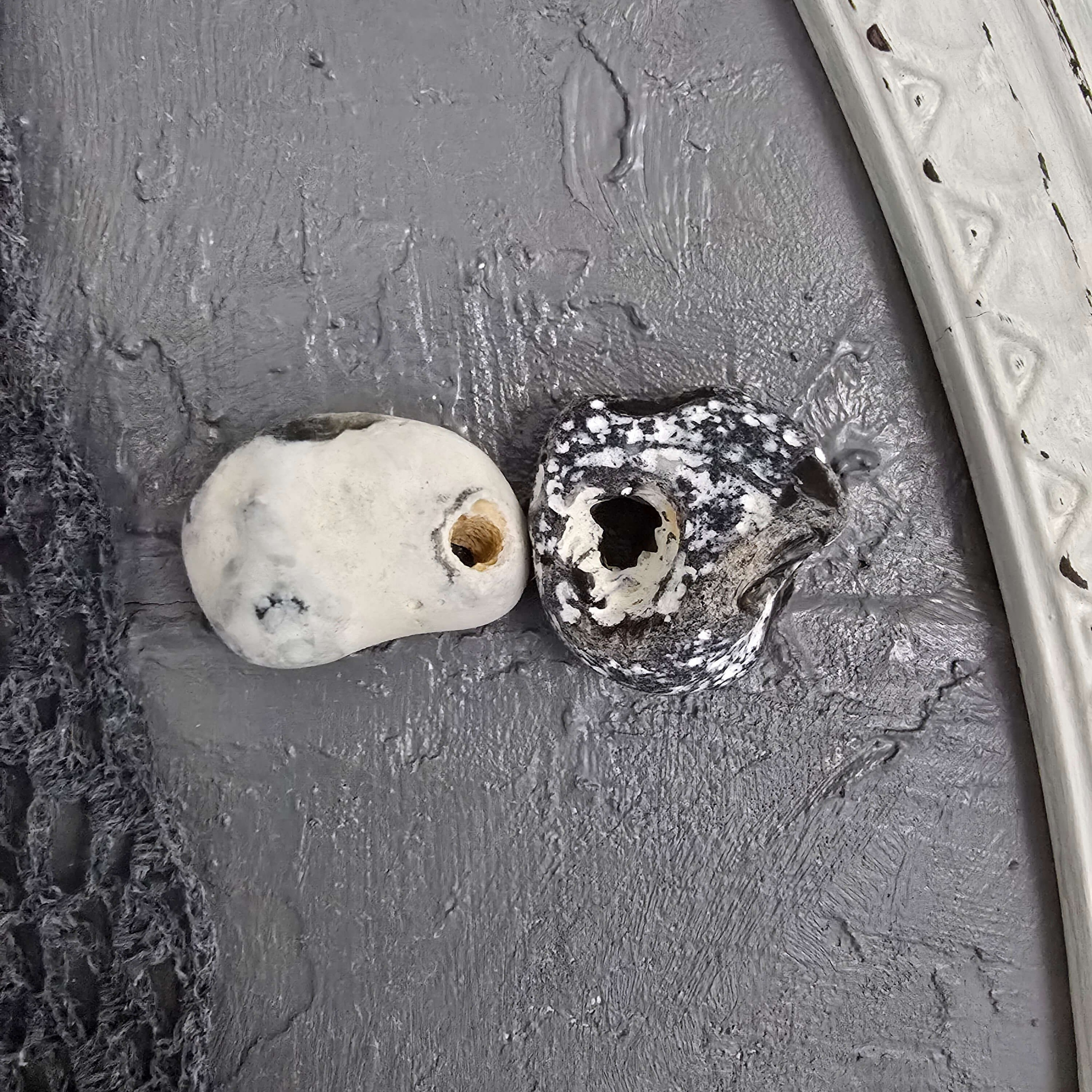
The textile sits at the centre — shaped like an iceberg. The small visible point is the present: me, now. Everything below is what I come from: grandmothers, grandfathers, family histories, the inherited knowledge of making. The roots that hold us even when we cannot see them.
Along the horizon lie hagstones — sea-worn stones gathered from the Sussex coast, my place of stillness and memory. In British folklore, peering through their holes reveals another world. They guard the threshold of the home.
Time is not linear. These stones were shaped over thousands of years. My grandmother’s hands worked this textile in 1993. I stand here now. All of this exists in the same moment.
This is what I call timeless unity.
THE VISION: TOWARDS A SOLO EXHIBITION
“A lifelong archive seeking its physical architecture.”
The Present Exists is conceived as an immersive, multi-sensory installation—a space where private memory transforms into a public sanctuary. I am currently seeking curatorial partners, residency opportunities, and cultural funding to bring this 49-year journey into a gallery environment.
This archive is still breathing. My raw research and the stories for my future book continue in Journal.
Small Note:
COMING SOON: The Geography of Presence — A detailed timeline of migration from 1976 to the present.